

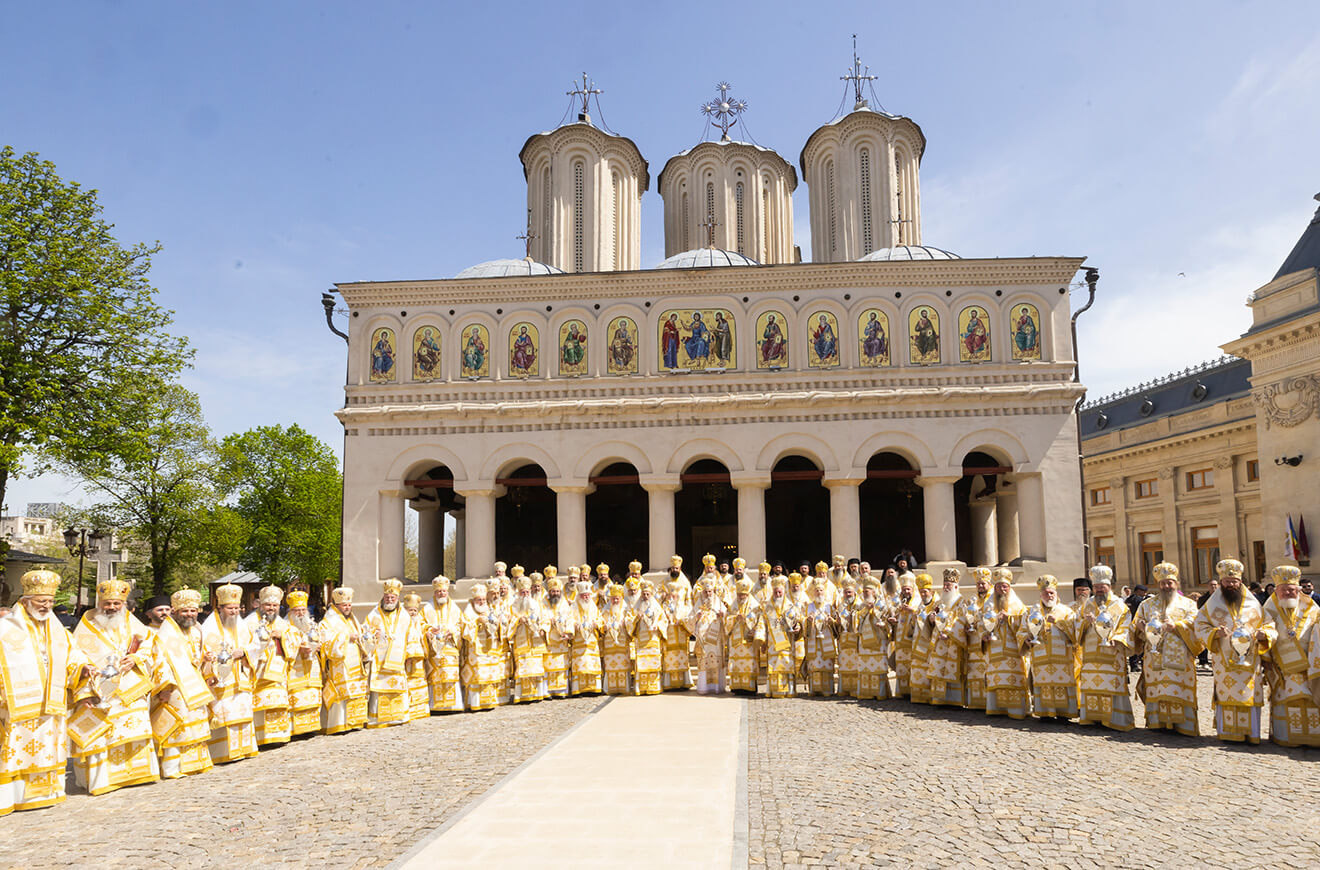
The Holy Synod is the highest authority of the Romanian Orthodox Church, in all its fields of activity. The Holy Synod is constituted by: The Patriarch of Romania and all the acting Metropolitans, Archbishops, Diocesan Bishops, Patriarchal Assistant Bishops, and diocesan Assistant-Bishops.
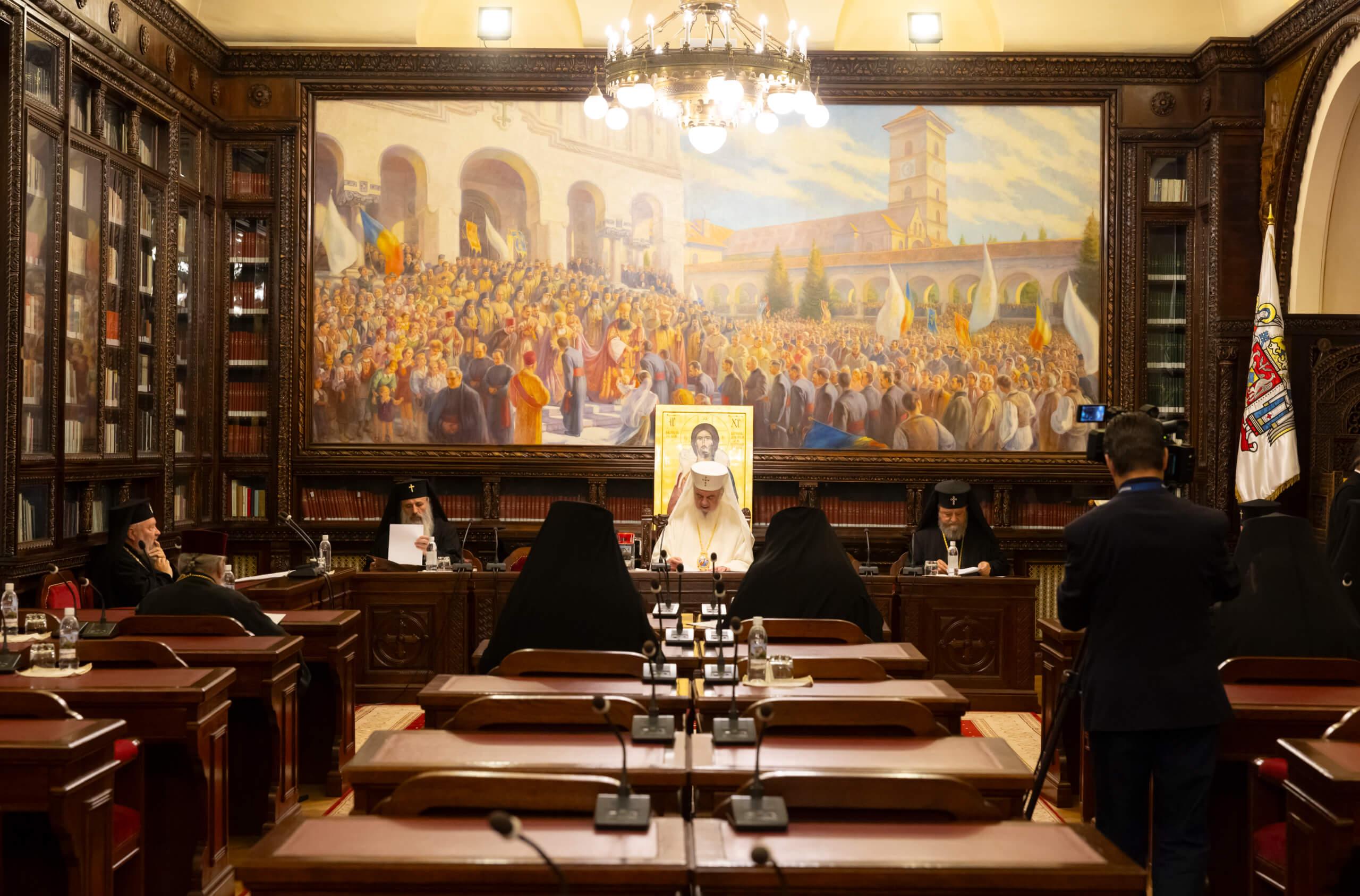
The Standing Synod is the central deliberative body which functions between sessions of the Holy Synod, when the importance of certain matters requires their consideration without delay.
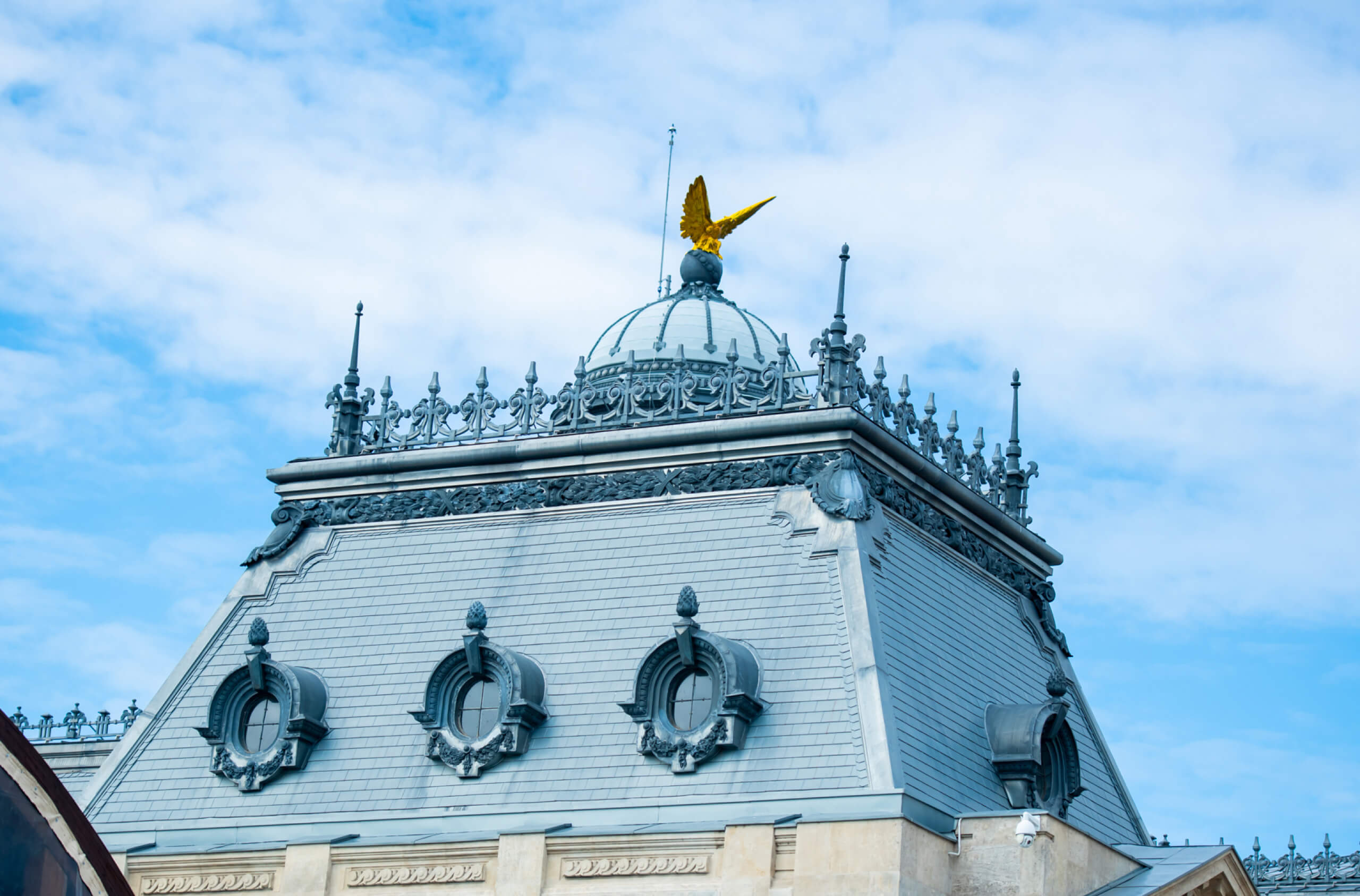
The National Church Assembly is the central deliberative body of the Romanian Orthodox Church for administrative, social, cultural, economic and patrimonial matters (art. 19 of the Statute).
The Patriarch of Romania is the Primate among the hierarchs of the Romanian Orthodox Church and the President of the central deliberative and executive bodies of the Church (Art. 24 of the Statute). The Patriarch of the Romanian Orthodox Church is also Archbishop of Bucharest and Metropolitan of Wallachia and Dobrudja.
The National Church Council is the central executive body of the Holy Synod and of the National Church Assembly (Art. 28 of the Statute). The National Church Council meets at least twice a year, or whenever necessary, at the convocation of the President.
Between the meetings of the National Church Council, the Standing Commission of the National Church Council functions as the central executive body.
The Office of the Holy Synod is the central administrative body of the Holy Synod, of the Standing Synod, of the National Assembly of the Church, of the Patriarch of Romania, of the National Council of the Church and of the Standing National Council of the Church.
The Central Ecclesiastical Institutions with a Missionary Purpose play an essential role in the work of preaching the Orthodox faith, both in the country and in the diaspora. They are bodies organized at the level of the Romanian Patriarchate, with the mission of promoting Orthodox Christian values, supporting pastoral-missionary activities and strengthening the bond between the Church and the faithful.

Dioceses are church units composed of a number of parishes, grouped into deaneries, as well as the monasteries located within a given territory.

From a canonical and administrative standpoint, the eparchies and archdioceses are grouped into metropolises. Metropolises within and outside the country are headed by a metropolitan (Art. 110 of the Statute).

Find out about the external representations and communities, as well as the Romanian Orthodox units abroad, which maintain spiritual and cultural ties with the Romanian Patriarchate.
Site-ul patriarhia.ro utilizează cookie-uri funcționale esențiale pentru buna funcționare a platformei, precum și cookie-uri statistice care ajută la analiza traficului și îmbunătățirea experienței de navigare.
